3 Home Features Most Buyers Overlook (Pro Tips)
Most buyers overlook grading and drainage, electrical panel capacity, and the age of the HVAC heat exchanger. While cosmetic flaws are obvious, these structural and mechanical issues can cost thousands in repairs post-purchase. Spotting them early ensures a safer investment and more leverage during home negotiations.
Buying a home in the Denver real estate market is often a whirlwind of emotions and quick decisions. When you walk through an open house, it is easy to get distracted by the beautiful quartz countertops, the trendy farmhouse sink, or the perfectly staged living room. As a Denver native and a realtor with Keller Williams Advantage Realty, I have seen hundreds of buyers fall in love with the 'skin' of a home while completely missing the 'bones.'
My perspective is a little different than your average agent. With over 13 years of experience in the construction and remodeling industry, I don’t just see a house; I see a series of systems working together (or failing to work together). My goal is to protect my clients from the 'money pits' and help them find a home that is as solid as it is beautiful.
What are the most common things buyers miss during a showing?
When we tour a property together, I am usually looking at the corners of the ceiling, the slope of the yard, and the labels on the mechanical systems while you are picturing where your sofa will go. It’s not that the sofa doesn't matter—it does—but the sofa won't cost you $20,000 in foundation repairs three months after closing.
Most buyers focus on what they can see at eye level. They look at paint colors, flooring, and light fixtures. These are all 'lipstick' items—things that are relatively cheap and easy to change. The things that truly matter are the ones that are expensive, difficult to fix, or hidden behind walls.
In my experience, there are three specific areas that consistently fly under the radar for home buyers. By keeping an eye out for these, you can enter the home buying process with a massive advantage and avoid the heartbreak of a bad inspection report later on.
How does grading affect a home's foundation?
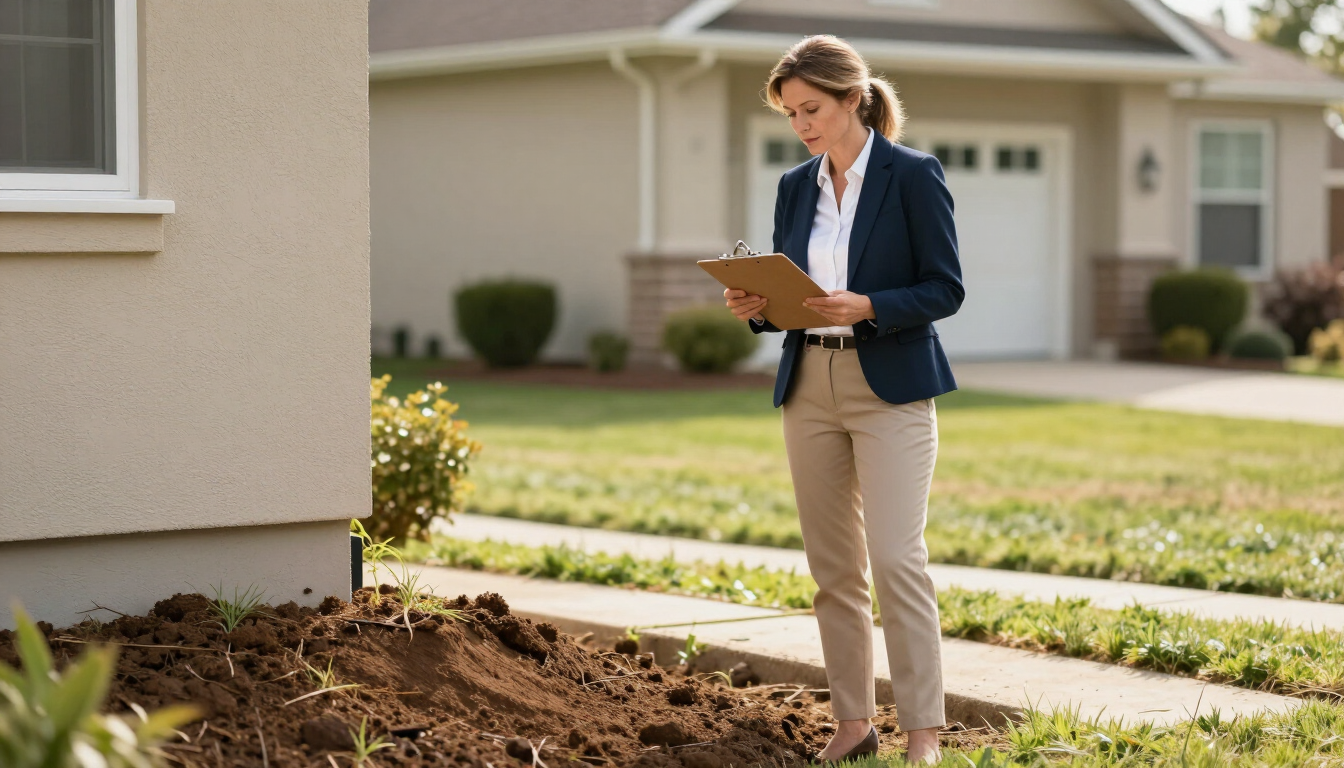
The first thing I look at before we even step through the front door is the ground. Specifically, I am looking at how the land slopes relative to the house. In the Denver area, we deal with a lot of 'expansive soil'—clay that grows when it gets wet and shrinks when it dries. This movement is the number one enemy of a stable foundation.
Many buyers see a lush, green flower bed right against the house and think it looks charming. I see a potential foundation disaster. If the ground is flat or, even worse, sloping toward the foundation (negative grading), every time it rains or the sprinklers run, water is pooling against your basement walls.
Signs of poor drainage to watch for:
- Spongy soil near the foundation: If the grass feels like a wet sponge near the house, the water isn't going anywhere.
- Downspouts that end at the wall: Gutters should carry water at least 5-10 feet away from the home.
- Cracks in the exterior brick or siding: This often indicates the house is 'heaving' or settling due to moisture issues.
- Efflorescence in the basement: That white, powdery substance on concrete walls is mineral residue left behind by evaporating water.
- Gaps in the soil: Large cracks in the dirt around the perimeter suggest the soil is drying out too fast, which can also cause shifting.
If you find a home with poor grading, it isn't necessarily a deal-breaker, but it is a project you need to account for in your budget. Re-grading a yard or installing a French drain system can cost thousands, and it’s a lot less fun than buying new furniture. As your real estate agent , I make it a priority to spot these issues before you get too far into the process.
Why you should check the electrical panel type
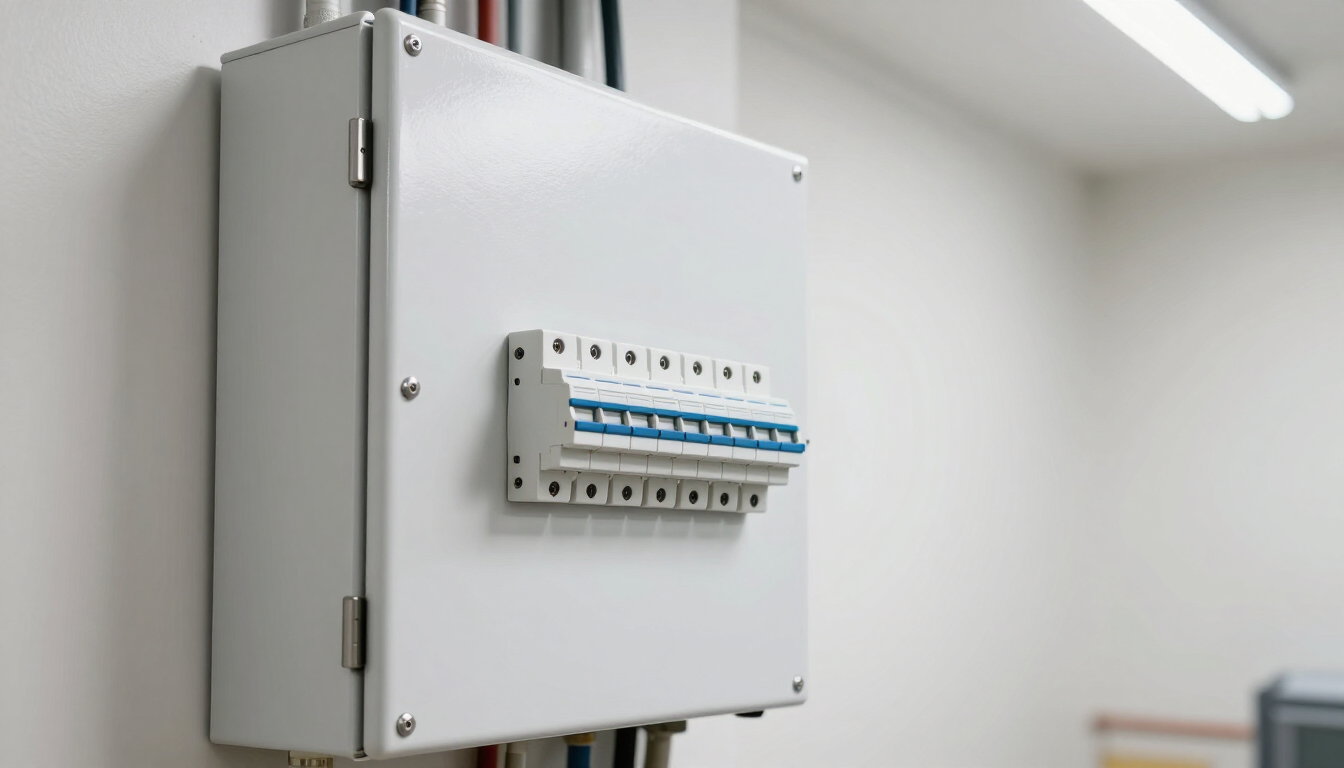
Once we are inside, one of my 'must-visit' spots is the garage or the utility room to find the electrical panel. Most buyers see a metal box and assume that as long as the lights turn on, everything is fine. However, in many of Denver’s older neighborhoods, the electrical systems are reaching the end of their safe lifespan.
Modern families use significantly more electricity than families did 30 or 40 years ago. We have multiple computers, high-definition TVs, electric car chargers, and high-powered kitchen appliances. An old 60-amp or 100-amp service might have been fine in 1975, but it can be a fire hazard today.
Furthermore, there are specific brands of panels that are notorious in the construction industry for failing to trip during a surge, which can lead to electrical fires. Brands like Federal Pacific (FPE) or Zinsco are immediate red flags for me. Many insurance companies in Colorado will actually refuse to insure a home until these panels are replaced.
What to look for in an electrical system:
- Panel Brand: Look for the label on the door. Avoid Federal Pacific or Zinsco.
- Amperage: Check the main breaker. A modern home should ideally have at least 150-200 amps.
- Clean Wiring: If the wires inside the panel look like a 'bird's nest,' it’s a sign of amateur work.
- Labeling: A well-organized panel usually indicates a well-maintained home.
- GFCI Outlets: Check if the kitchen and bathrooms have the outlets with 'test' and 'reset' buttons.
Updating an electrical panel and upgrading the service from the utility company is a significant expense, often ranging from $2,500 to $5,000 or more. Knowing this upfront gives us leverage to ask for a credit or a price reduction during the inspection objection phase. You can find more detailed guides on more tips on my blog .
The hidden condition of the HVAC system
The third major area buyers overlook is the HVAC system—specifically the age and the condition of the heat exchanger. Denver winters can be brutal, and you do not want your furnace to die in the middle of a January cold snap.
Most buyers will look at the furnace and ask, 'Does it work?' While that’s a good start, it’s the wrong question. The right question is, 'How much life is left in it?' A furnace typically lasts 15 to 20 years. If the home you are looking at has a furnace from 2004, it is on borrowed time.
I also look for signs of 'short-cycling' or soot, which can indicate a cracked heat exchanger. This isn't just a repair issue; it's a safety issue, as a cracked heat exchanger can leak carbon monoxide into your home. Because of my construction background, I’m trained to look for the maintenance stickers. If a furnace hasn't been serviced in five years, that tells me a lot about how the rest of the house was cared for.
Is it worth buying a house with older windows?
While grading, electrical, and HVAC are the 'big three,' windows are a close fourth. Many buyers see windows and think they look fine because they are clean. But in our Colorado climate, the efficiency of your windows determines your comfort and your monthly utility bills.
Older, single-pane windows or first-generation double-pane windows often have 'blown seals.' If you see fog or condensation between the panes of glass, the seal has failed. This means the insulating gas has escaped, and the window is no longer doing its job. Replacing windows in an entire house is one of the most expensive renovations you can undertake, often costing $15,000 to $30,000 for a standard-sized home.
How to test windows during a showing:
- The Touch Test: On a cold day, feel the glass. If it's freezing, it's likely single-pane.
- The Sight Test: Look for fogging or 'rainbow' patterns between the glass.
- The Operation Test: Open and close a few. If they are painted shut or difficult to move, they need help.
- The Frame Test: Check the wood or vinyl frames for rot or warping.
When we walk through a home, I’ll point these things out immediately. My goal isn't to talk you out of a house you love, but to make sure you are buying it with your eyes wide open. Understanding these renovation costs before you make an offer is the key to a successful purchase in the Denver market.
Essential Takeaways for Smart Home Buyers
Navigating the home buying process requires looking beyond the aesthetics to ensure the home's structural integrity and mechanical health. By paying attention to the details that most people miss, you protect your bank account and your peace of mind. Remember, a house is likely the largest investment you will ever make; it deserves a thorough evaluation from the ground up.
Key Takeaways:
- Check the Slope: Ensure the ground falls away from the foundation to prevent water damage.
- Identify the Panel: Avoid hazardous electrical brands like Federal Pacific and check the total amperage.
- Assess the HVAC: Look for maintenance records and age to avoid a $6,000 surprise in winter.
- Evaluate Windows: Foggy glass indicates failed seals and high energy bills.
- Value Expertise: Work with a realtor who understands construction and remodeling to spot these red flags early.
If you are ready to start your home search in with a professional who knows the industry from the inside out, I would love to help. Whether it's your first home or your forever home, I’m committed to finding a property that stands the test of time.
Recent Posts