Renovate or Sell? (5 Ways to Decide in 2026)
Deciding whether to renovate or sell depends on your budget, emotional attachment, and current market value. If structural integrity is sound and ROI on home renovations is high, stay and remodel. If the layout no longer serves your family’s lifestyle, selling as-is or after minor repairs is often better.
Should I renovate or sell my home in 2026?
It’s the age-old question that keeps Denver homeowners up at night, right alongside "Will it ever stop snowing in April?" and "Where did I put my favorite flannel?" Choosing between the dust of a construction zone and the stress of a moving truck is a major life decision. I’ve seen beautiful gut-renovations that turned a shack into a palace, and I’ve seen sellers who just wanted to wash their hands of a property and move on to their next chapter.
In 2026, the Denver real estate market has its own unique rhythm. We are a city of neighborhoods, from the historic charm of Wash Park to the sprawling family-friendly streets of Highlands Ranch. Your decision to renovate or sell isn't just about spreadsheets; it’s about your family, your commute, and your community. If you love your neighbors and your kids are happy in their school, the scale might tip toward staying put. But if you’re bursting at the seams or the thought of another Colorado winter with a drafty living room makes you weep, it might be time to look at our buying process and see what else is out there.

Assessing your home’s "bones" through a builder’s lens
Before you call a contractor or a realtor (though, in my case, you’re calling the same person), you need to look at the "bones" of your house. Because of my background in construction, I tend to look at homes differently than most agents. I’m not just looking at the granite countertops; I’m looking at the foundation, the HVAC system, and the electrical panel. If your home has major structural issues, deciding whether to renovate or sell becomes a question of capital.
If the foundation is shifting or the roof is nearing the end of its life, these are high-cost, low-glamour repairs. They don’t necessarily add value; they just maintain it. This is where many homeowners decide that selling a house as-is is the most logical path. However, if the structure is sound and you’re just dealing with an avocado-green kitchen from 1974, you have options. A cosmetic remodel can breathe new life into a space without the need for a permit from the city that takes six months to process.
Consider these three factors when looking at your home's integrity:
- The age and condition of the roof and siding.
- The efficiency of the heating and cooling systems.
- Potential drainage or foundation issues common in Denver soils.
Which renovations offer the highest ROI in Denver?
If you decide to stay and swing a hammer, you want to make sure you aren't just flushing money down your newly installed low-flow toilet. The ROI on home renovations varies wildly depending on the project. In the Denver area, we see a massive return on functional upgrades and outdoor living spaces. We live in a place where people want to be outside—even if it's just to drink a craft beer on a deck while looking at the mountains.
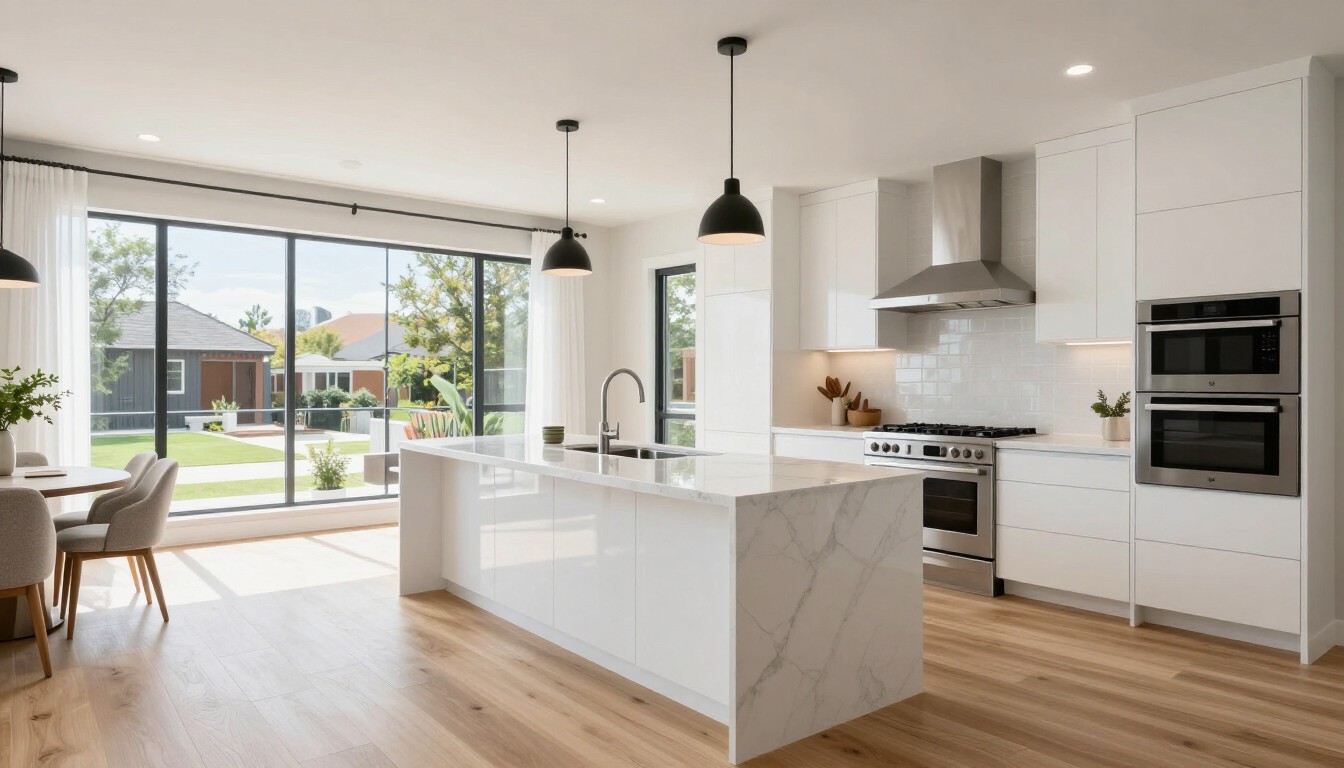
Typically, minor kitchen remodels—think painting cabinets, replacing hardware, and new appliances—yield a much higher return than a full-blown chef’s kitchen that costs as much as a luxury SUV. Bathrooms are another high-impact area. But don't forget the "invisible" ROI. Energy-efficient windows and insulation might not be sexy, but in a climate like ours, they are huge selling points down the road. If you're looking for more guidance, our home buying tips often highlight what buyers are looking for today, which can guide your renovation choices.
Strategic upgrades for a faster sale
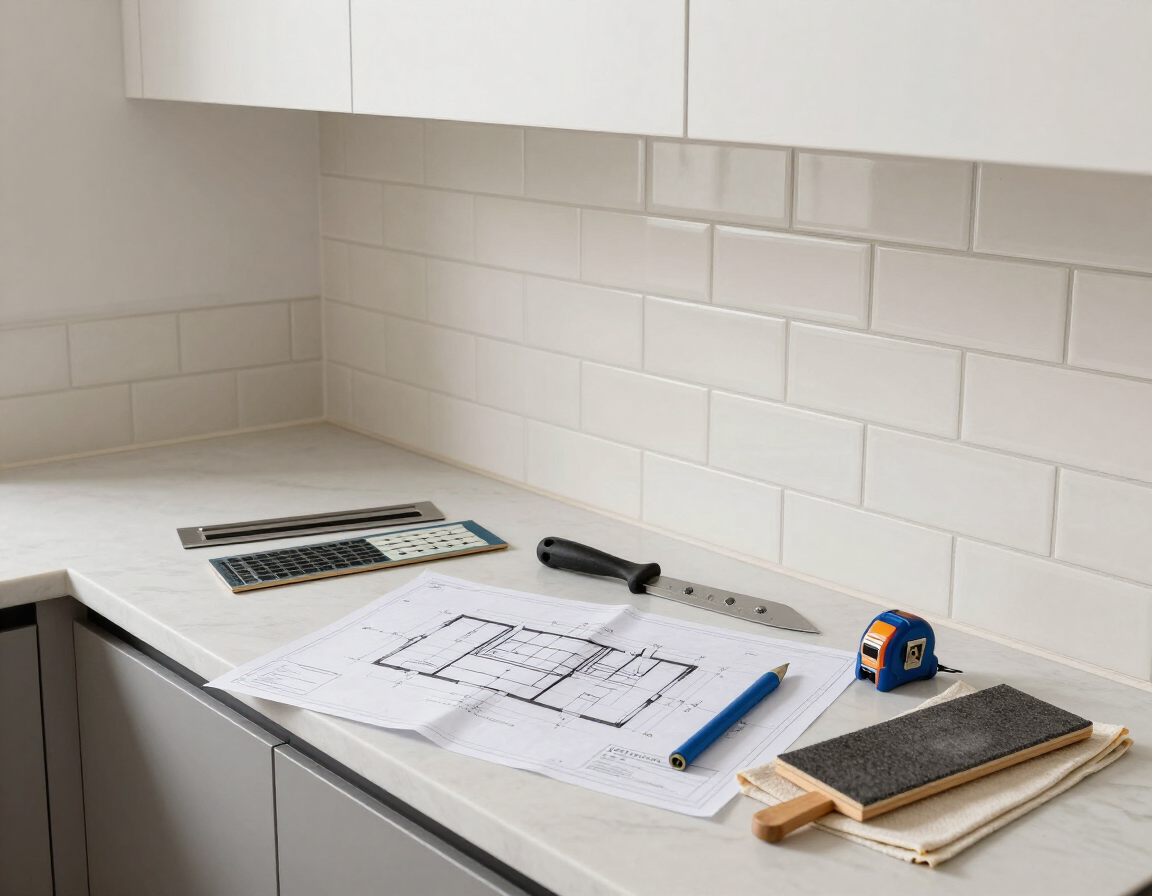
Maybe you’ve decided that you’re done. You want out. But that doesn't mean you should just throw a "For Sale" sign in the yard and hope for the best. Even if you aren't doing a full renovation, a few strategic moves can make the difference between a house that sits and a house that sells in a weekend. As a Denver native, I know what local buyers are hunting for: clean lines, natural light, and a sense of "move-in ready."
Here are some "quick wins" for the renovate or sell debate:
- Fresh, neutral paint throughout the entire house.
- Professional landscaping and enhanced curb appeal.
- Replacing outdated light fixtures with modern LEDs.
- Deep cleaning carpets or refinishing hardwood floors.
- Decluttering to show off the actual square footage.
These aren't full-scale renovations, but they are part of the "smart prep" that helps you compete in the current market. You want the buyer to walk in and imagine their own family around the dining table, not imagine the $20,000 they’ll have to spend to rip out that floral wallpaper.
Why selling a house as-is might be your best bet
Let’s be real: remodeling is hard. It’s messy, it’s loud, and it almost always takes longer than the guy on YouTube said it would. If you are already working a full-time job, raising a family, or dealing with a major life transition, the last thing you need is a contractor named Mike (or Ernie) living in your basement for three months. Selling a house as-is is a perfectly valid strategy, especially in a market where inventory is low.
There is a specific buyer for every house. Some people are looking for a fixer-upper vs turnkey property because they want to build sweat equity. By selling as-is, you might take a slightly lower price, but you save yourself the carrying costs, the stress, and the risk of over-improving for the neighborhood. As your realtor, I can help you run the numbers to see if the profit from a renovation actually outweighs the convenience of a quick, as-is sale.
How does the Denver real estate market affect my decision?
Market conditions are the "invisible hand" in the renovate or sell dilemma. If interest rates are high, you might choose to renovate your current home with a fixed low rate rather than trade up to a more expensive mortgage. Conversely, if inventory is incredibly low in your target neighborhood, you might need to sell now to capture the equity needed to make a competitive offer on your next home.
Denver isn't just a dot on a map to me; it’s home. I understand the nuances of the local market from a native's perspective. I know which neighborhoods are appreciating and where the new developments are popping up. When we talk about your home, we aren't just talking about a building; we're talking about an asset in one of the most vibrant economies in the country. Whether we decide to list it tomorrow or start a three-month kitchen project, the goal is always to maximize your position.

Is it time to make a move?
If you’re still staring at your cracked backsplash wondering what to do, don't worry. This is a big choice, but you don't have to make it alone. My unique background in both construction and real estate means I can give you an honest assessment of what a renovation will actually cost and what it will actually return in today’s market. I’m here to help my community and the families within it find the best path forward, whether that’s staying put or moving on.
To wrap things up, here are the key takeaways to help you decide:
- Calculate the Gap : If the cost of the renovation plus your current mortgage is higher than buying a new home, sell.
- Check Your Sanity : If you can't handle living in a construction zone for 6 months, sell.
- Evaluate the Neighborhood : If you're already the nicest house on the block, you won't see a high ROI on further renovations.
- Look at the Layout : You can change a kitchen, but you can't easily change the location or the lot size.
- Consult a Pro : Get a market analysis and a construction estimate before you sign anything.
Deciding whether to renovate or sell is ultimately a balance of financial logic and lifestyle needs. If you love your Denver community but hate your floor plan, a major remodel might be the answer. However, if the ROI on home renovations doesn't justify the expense or the stress, selling as-is allows you to move on to a home that fits your current life. Use the 2026 market to your advantage by weighing current inventory against your home’s potential. Whether you choose the path of a fixer-upper or a turnkey sale, ensure your decision aligns with your long-term family goals and financial health. Ready to talk? Visit our home page to get started.
Recent Posts